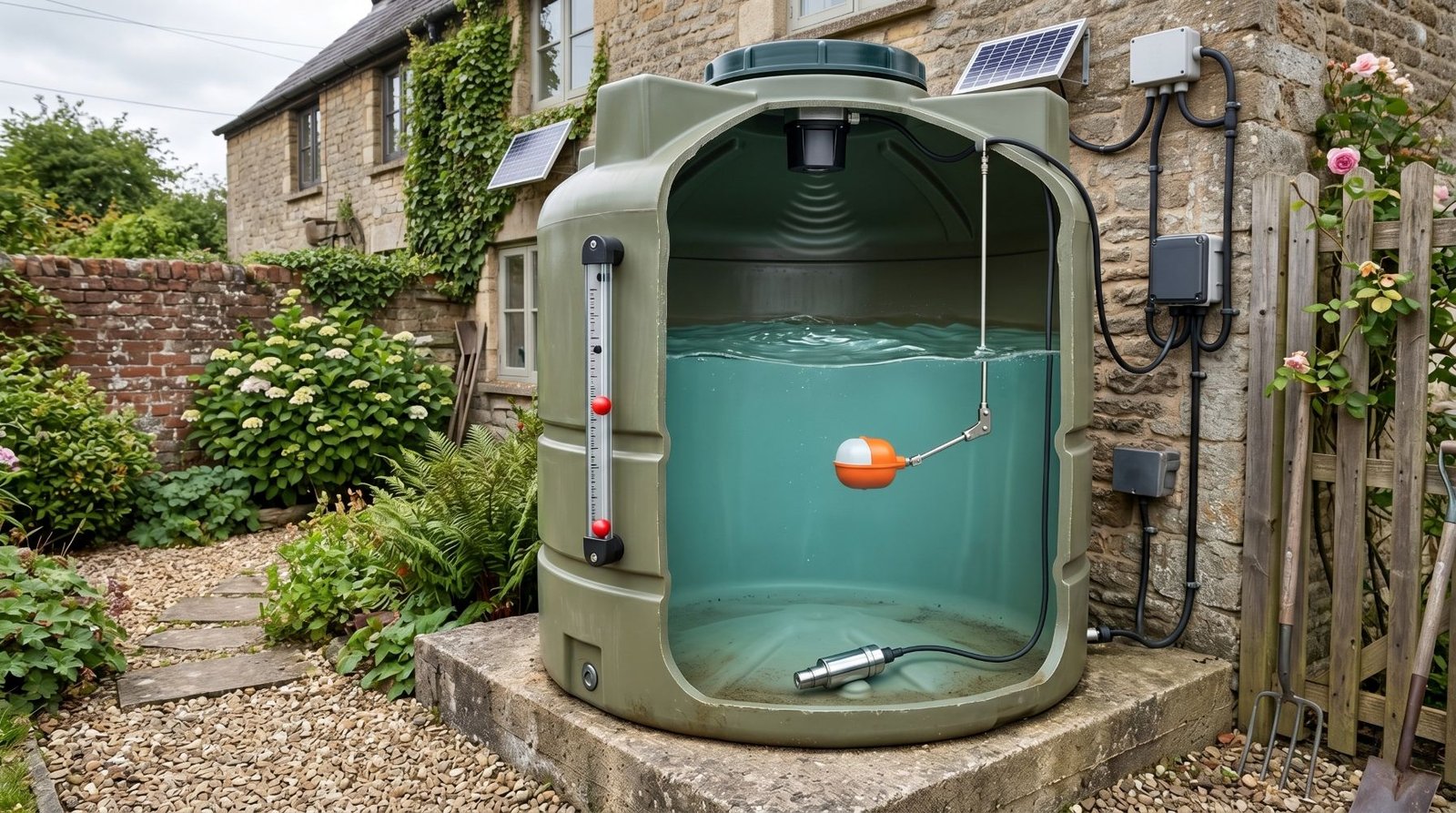
If you want a reliable water tank sensor, the sensor type matters more than most people think.
On paper, a lot of options sound good. In real installs, some are simple and dependable, while others become annoying once you add condensation, dirty water, insects, awkward tank lids, long cable runs, or outdoor weather. That is why choosing the right water tank level sensor is less about chasing the fanciest specs and more about matching the sensor to the tank and the way you want to monitor it.
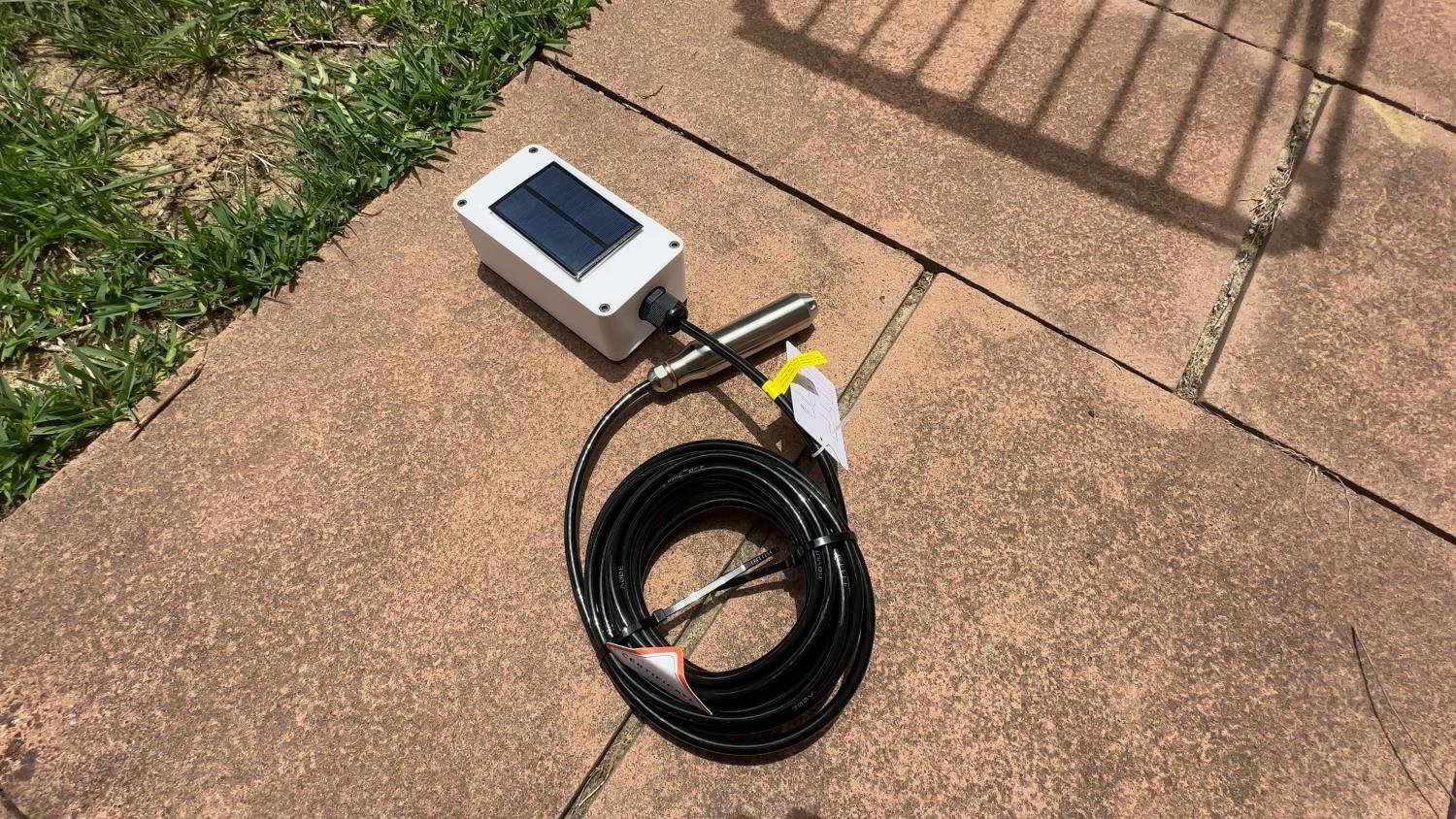
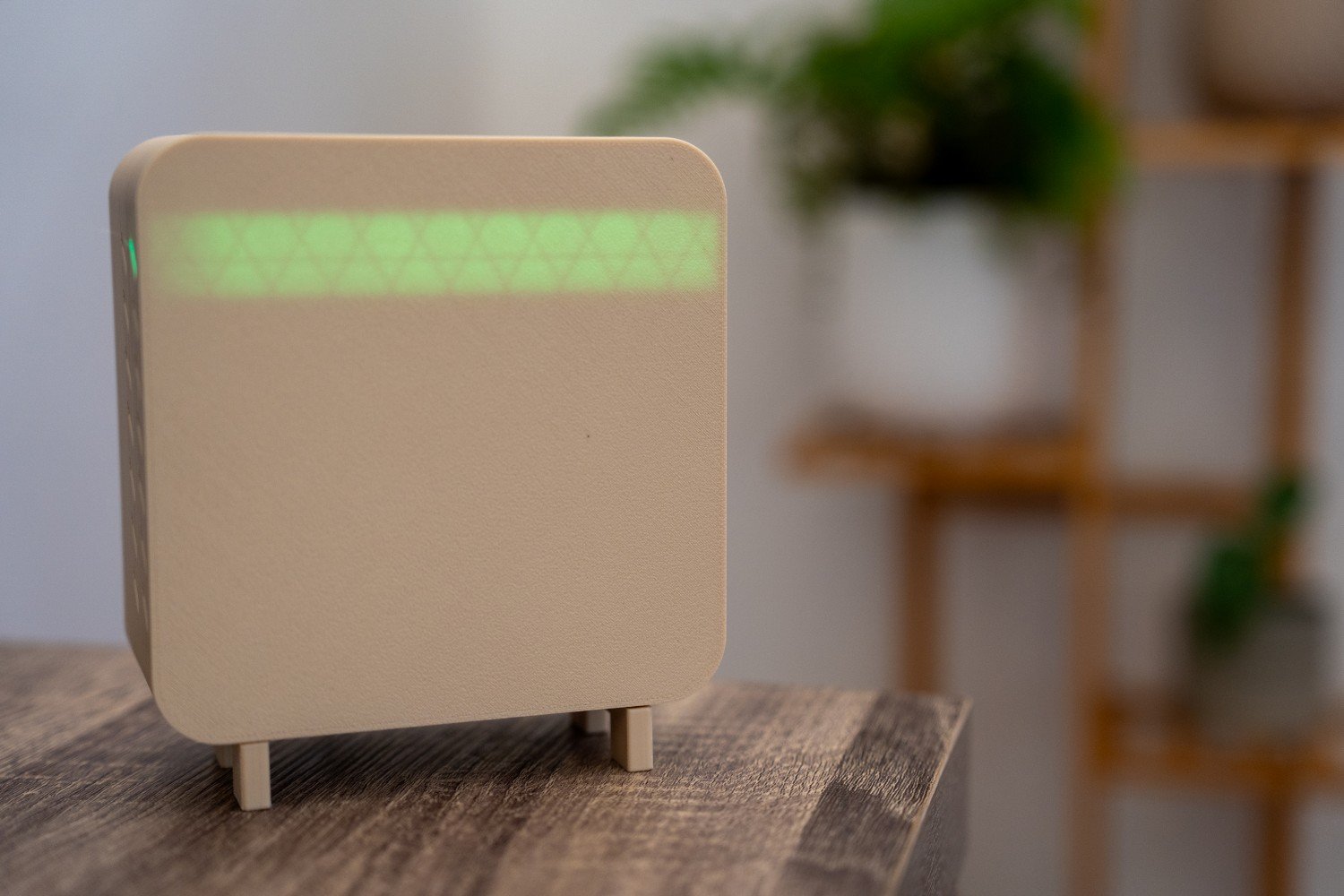
For some people, a basic water tank gauge or water tank level indicator is enough. For others, especially if you want a smart water tank monitor tied into Home Assistant, remote alerts, or solar-powered DIY hardware, it makes sense to think a bit deeper about accuracy, power use, and long-term reliability. I’ve also built a LoRa water tank sensor for Home Assistant if you want to see how that approach works in a real project.
I have looked at a lot of tank monitoring options over time, and my view is pretty simple: if you want serious, dependable monitoring, pressure sensing is often the best place to start. If you want quick and easy with no water contact, ultrasonic can work well, but only when the install suits it. And if you just want to know whether the tank is roughly full, half full, or nearly empty, a simple gauge may be the smarter choice.
Why water tank monitoring matters
A good water tank monitoring setup helps with more than curiosity.
It can help you:
- avoid running a pump dry
- spot abnormal water use
- know when to switch supply sources
- keep an eye on rainwater storage remotely
- automate alerts in Home Assistant
- make better decisions during dry periods
For rural properties, rainwater systems, and homes relying on stored water, the difference between “I think we still have water” and “I know we have 28% left” can be pretty important.
That said, not every setup needs exact percentage readings. In plenty of cases, a simple water tank level indicator that shows low, medium, or high is more useful than a complicated setup chasing perfect numbers.
The main types of water tank level sensor
The main sensor types used for water tank monitoring are:
- float switches and float level sensors
- ultrasonic sensors
- submersible pressure sensors, also called hydrostatic pressure sensors
- load cells or weighing systems
- capacitive or non-contact external sensors
- simple mechanical gauges and sight tubes
Each one solves the same problem in a different way.
Water tank sensor comparison table
| Sensor type | How it works | Main pros | Main cons | Best use case | Difficulty |
|---|---|---|---|---|---|
| Float switch / float level sensor | A float rises and falls with water level | Cheap, simple, low power, reliable for point detection | Usually not true continuous measurement, moving parts, can snag | Basic low/high level alerts, pump protection | Easy |
| Ultrasonic water tank sensor | Measures distance from sensor to water surface | Non-contact, easy to integrate, good for clean installs | Can struggle with condensation, narrow openings, angled lids, false echoes | Plastic tanks with good top access | Medium |
| Pressure sensor for water tank | Measures water pressure at depth and converts it to level | Accurate, good for serious monitoring, works in dark enclosed tanks | Sensor is in the water, cable sealing matters, quality varies | Smart water tank monitor, Home Assistant, rural tanks | Medium |
| Load cells / weighing system | Measures tank weight and infers water volume | Very accurate, non-contact with water | Expensive, harder install, structure must suit it | Premium installs, tanks on frames or platforms | Hard |
| Capacitive / non-contact external sensor | Detects level through non-metal wall | No tank penetration, no water contact | Usually limited, can be sensitive to wall thickness and material | Point detection on plastic tanks | Easy to Medium |
| Mechanical gauge / sight tube | Displays level visually with float, tube, or dial | Cheap, no power, easy to understand | Not smart, can weather over time, limited remote monitoring | Simple manual checking | Easy |
Float switches and float level sensors
How they work
A float sensor rises and falls with the water level. In the simplest version, it just turns on or off at a certain point. More advanced float systems can give multiple level points or a rough stepped reading.
Pros
- very simple
- low cost
- low power use
- great for pump protection or low-water alarms
- easy to connect to an ESP32 or relay input
Cons
- usually not a true continuous water tank gauge
- moving parts can wear or jam
- can foul up in dirty tanks
- cable routing and mounting still need care
Where they work best
A float sensor water tank setup is ideal when you only need to know things like:
- tank low
- tank full
- refill required
- safe to run pump or not
If that is all you need, a float sensor is hard to beat for value.
Where they are less ideal
If you want a nice percentage value in Home Assistant, float switches are not the most elegant option unless you use several of them at different heights. That works, but it gets more fiddly.
Ultrasonic water tank sensors
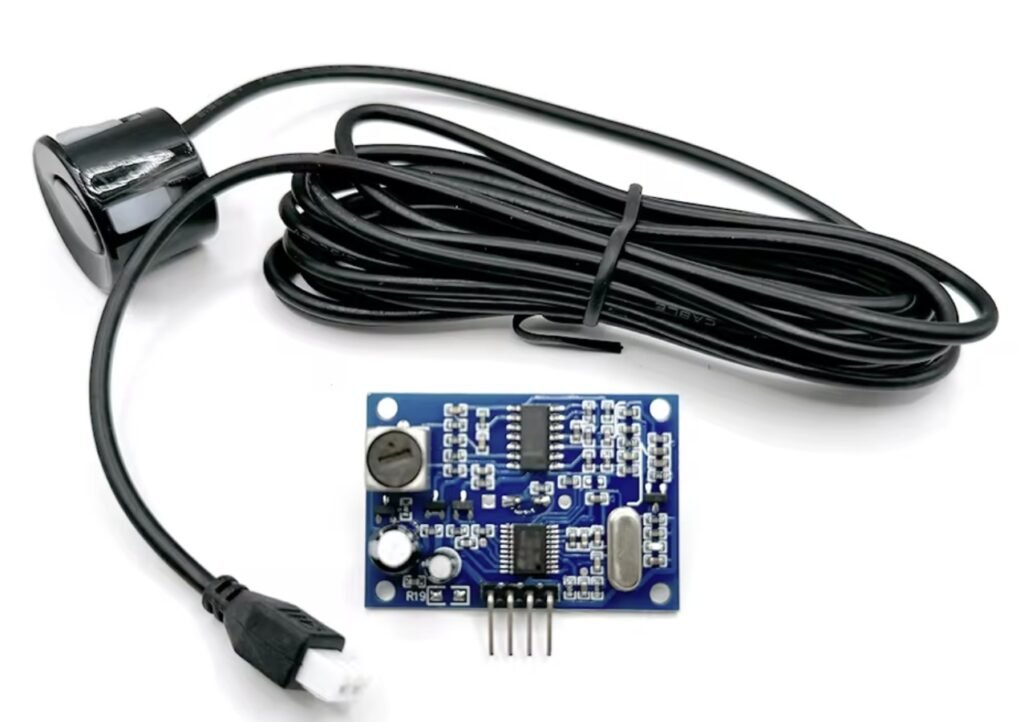
An ultrasonic water tank sensor measures the distance from the sensor to the water surface. You mount it at the top of the tank, point it down, and calculate water level from the measured gap.
This is one of the most popular DIY options because it is non-contact and easy to understand.
Why people like them
- nothing sits in the water
- no pressure tube or submerged sensor required
- works well with ESPHome and ESP32-based projects
- easy to convert distance into percentage or litres
- good fit for smart water tank monitoring
Industrial ultrasonic level sensors are built for continuous non-contact level measurement, and better units include temperature compensation and echo processing to help deal with difficult installs. Some models are designed specifically for liquids and slurries in tanks.
The real-world downsides
This is where people either love ultrasonic sensors or get sick of them.
Ultrasonic sensors can struggle with:
- condensation under the lid
- spider webs or insects around the sensor face
- narrow access risers or standpipes
- angled or uneven mounting
- internal obstructions
- turbulent surfaces
- odd tank roofs that create false echoes
Industrial ultrasonic transmitters use false-echo suppression and other signal processing because these problems are common enough to matter.
In a clean, well-mounted install, ultrasonic can be great. In a messy tank lid with moisture and limited clearance, it can become unreliable.
Plastic tank vs metal tank
Ultrasonic does not care much whether the tank is plastic or metal. What matters more is the mounting geometry and whether the sensor has a clear shot to the water surface.
Best use case
I would consider ultrasonic when:
- you want a non-contact water tank level sensor
- the tank has decent top access
- you can mount the sensor flat and stable
- you want easy DIY integration with ESPHome or Home Assistant
If you want to build one yourself, I’ve also put together a guide on how to make your own ultrasonic water tank sensor.
Ultrasonic Sensor
A low-cost sensor for measuring distance using sound pulses, commonly used in water tank level monitors, simple robotics and object detection projects.
Pressure sensors for water tanks
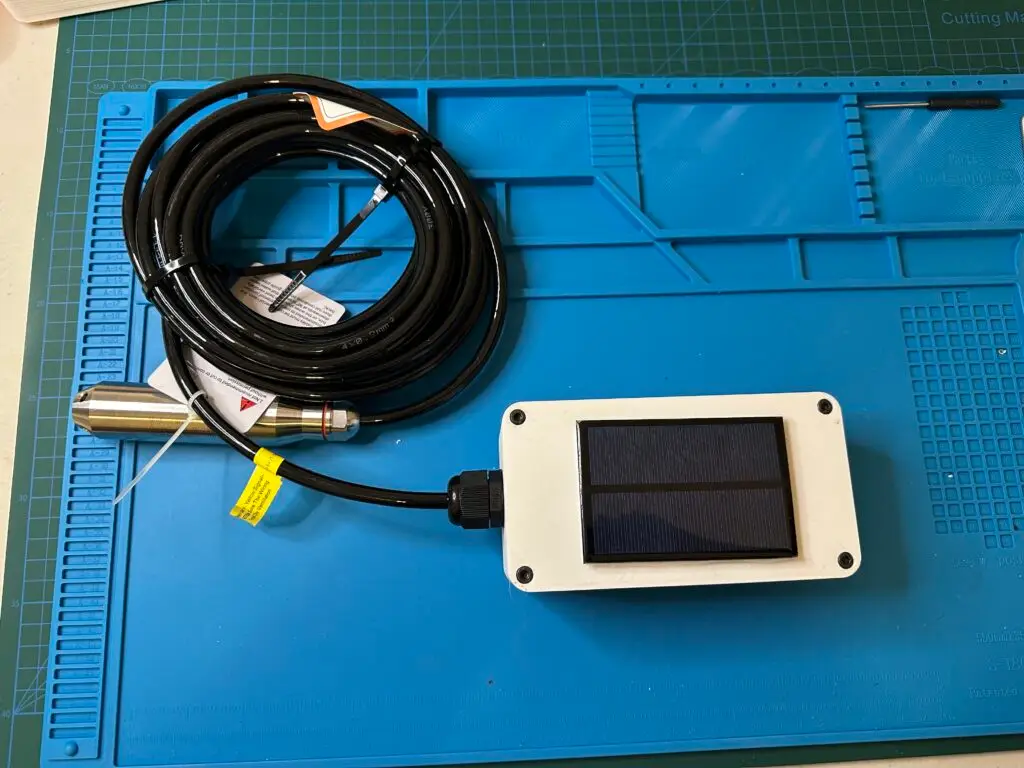
A pressure sensor for water tank monitoring usually sits near the bottom of the tank and measures hydrostatic pressure. Since pressure rises with liquid height, the reading can be converted into level. Hydrostatic transmitters are widely used for liquid level measurement, including water and wastewater applications.
This is usually my preferred option for a serious water tank level monitoring system.
Why pressure sensors are often one of the best choices
- they are good for continuous measurement
- they do not rely on a clean air path above the water
- darkness inside the tank does not matter
- they work well in enclosed tanks
- they usually give steadier readings than cheap ultrasonic modules
- they suit remote monitoring well
Submersible level transmitters are commonly used in harsh water applications and are designed to cope with outdoor conditions and suspended solids when built properly.
The downsides
- the sensor is in the water, so build quality matters
- cheap sensors can drift or fail
- cable sealing and waterproofing need to be done properly
- sludge buildup can affect the sensor over time
- vented cables and reference pressure arrangements matter on some sensor types
Best use case
Pressure sensing is usually the best fit when:
- you want accurate percentage readings
- you want a dependable remote water tank gauge
- the tank is enclosed or awkward from the top
- you are building a smarter ESP32 or ESPHome system
- long-term reliability matters more than shaving every dollar
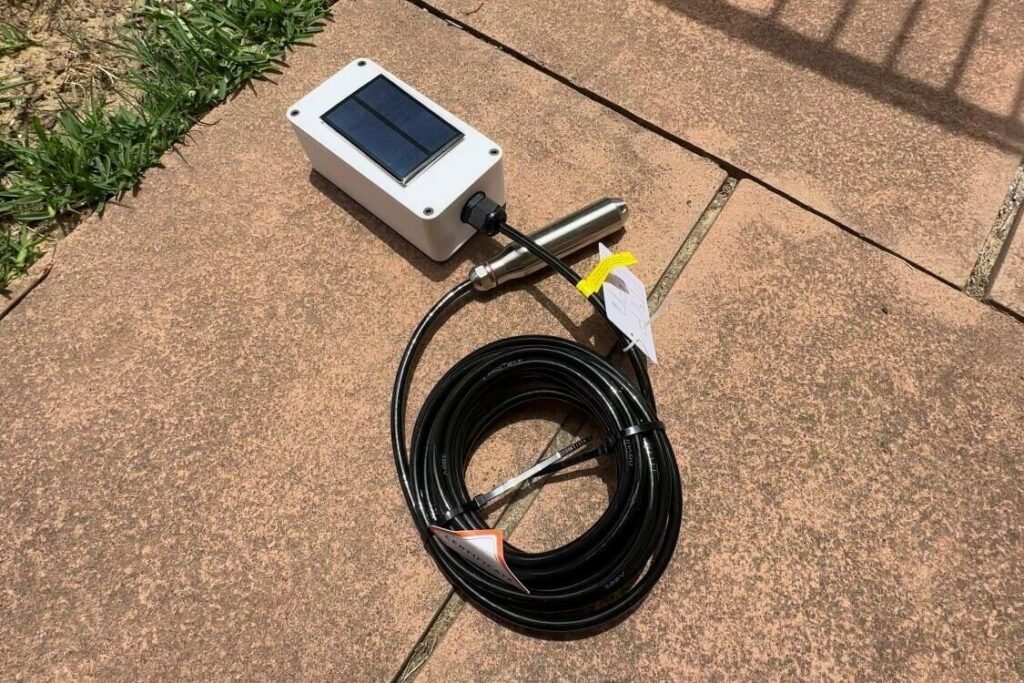
Pressure Sensor
A useful sensor for measuring water pressure and estimating tank level from the pressure at the bottom of the tank.
DIY compatibility
Pressure sensors can be read with an ESP32 through an ADC input, an external ADC, or a supported digital sensor interface depending on the sensor used. ESPHome supports analog voltage reading through its ADC sensor platform, and it also supports some specific pressure sensor families directly.
For DIY work, this makes pressure sensing very practical, especially if you calibrate empty and full points properly. If this sounds like the better fit for your setup, you can read my guide on building your own pressure sensor water tank monitor.
Load cells and weighing systems
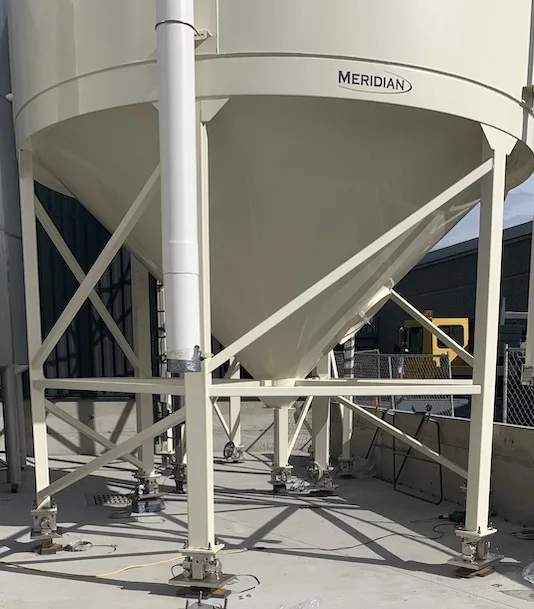
Load cells measure the total weight of the tank and contents rather than the water height directly. In other words, you turn the whole tank into a scale.
Gravimetric level measurement is a real industrial method, and it has a big advantage: the sensing hardware never touches the water. Tank weighing systems can also be very accurate when designed properly.
Pros
- very accurate
- no contact with water
- no need to penetrate the tank
- avoids problems with internal sludge or condensation
Cons
- expensive
- more complex mechanically
- only works well if the tank structure suits it
- not the easiest retrofit on an existing domestic tank
- plumbing, mounting, and support structure can affect readings
Best use case
Load cells make the most sense when:
- the tank already sits on a frame or defined supports
- you want premium accuracy
- you are building a custom system from scratch
- budget is less important than precision
For most home users, this is overkill. For a highly accurate custom setup, it can be excellent.
Capacitive and non-contact external sensors
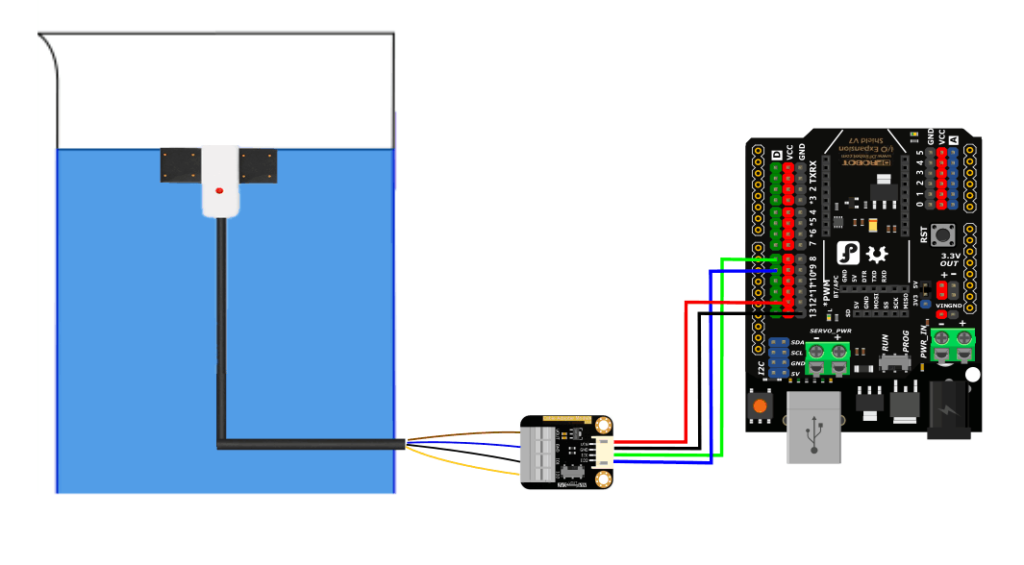
These sensors usually mount on the outside of a non-metal tank and detect the presence of liquid through the wall.
Why they are appealing
- no contact with the water
- no drilling into the tank
- easy to fit
- low power
- tidy install
The limitations
This category sounds great, but it is often more limited than people expect.
Most hobby-style non-contact sensors are better for point detection than true continuous tank level monitoring. They also depend heavily on tank wall material, wall thickness, and sensor placement. Stainless steel tanks or thick walls can be a problem for capacitive sensing approaches.
Best use case
A non-contact water tank sensor like this is best when:
- the tank is plastic
- you only need one or two level points
- you want simple alerts rather than a full percentage readout
- you want to avoid putting hardware in the water
Sight tubes and mechanical water tank gauges
Not every water tank monitoring setup needs electronics.
A simple water tank gauge might use:
- a float and dial
- a pulley indicator
- a side-mounted guided gauge
- a clear sight tube
These systems are still popular because they are easy to read, easy to understand, and require no batteries or Wi-Fi. Mechanical gauges are widely sold for both steel and poly tanks, and simple sight-tube style setups remain a common low-cost option.
When a cheap water tank gauge is enough
A simple gauge is often enough when:
- you only check the tank occasionally
- the tank is easy to access visually
- you do not need remote monitoring
- you want no-power, low-maintenance monitoring
- you mainly care about “plenty”, “getting low”, or “nearly empty”
I think this gets overlooked too often. Sometimes the best water tank level indicator is the one that keeps working for years with almost nothing to go wrong.
Contact vs non-contact water tank sensors
This is one of the most useful ways to think about sensor choice.
Contact sensors
These include:
- float sensors
- pressure sensors
- submerged probes
Pros
- often more dependable for enclosed tanks
- usually less affected by condensation or tricky lid geometry
- good for continuous readings in real conditions
Cons
- hardware is exposed to water
- corrosion, fouling, or sludge can matter
- sealing and cable quality become more important
Non-contact sensors
These include:
- ultrasonic sensors
- some external capacitive sensors
- load cells, in a broader sense, since they do not touch the liquid
Pros
- cleaner install
- no submerged electronics
- easier maintenance in some cases
Cons
- some are more sensitive to mounting conditions
- false readings can be more common
- certain tank materials or shapes can limit what works
For many real-world installs, contact sensors win on consistency. Non-contact sensors win on neatness and convenience.
What matters most when choosing a water tank level sensor
Accuracy
If you need a fairly accurate reading, pressure sensors and load cells usually come out ahead. Good ultrasonic systems can also be accurate, but they depend more on the install quality. Industrial ultrasonic transmitters commonly quote millimetre-level accuracy, but they also rely on careful mounting and echo handling.
Reliability
For long-term reliability, I would usually rank them like this:
- pressure sensors, when you buy a decent one and install it well
- mechanical gauges, if you are happy with basic visual monitoring
- ultrasonic sensors, if the mounting conditions are good
- float switches, for simple point-level jobs
- cheap non-contact stick-on sensors, depending on the application
That is a general rule, not a law, but it lines up with how these systems behave in practice.
Maintenance
Things that increase maintenance:
- condensation on ultrasonic sensors
- spiders and insects under tank lids
- sludge around submerged hardware
- poor waterproofing on cable joints
- cheap connectors exposed to weather
- tank lids that let dust and moisture in
Installation difficulty
The easiest installs are usually:
- simple gauges
- float switches
- external capacitive point sensors
The harder installs are usually:
- pressure sensors with proper sealed cabling
- ultrasonic sensors in awkward lids
- load cell systems under large tanks
Cost
The cheapest option is normally a simple gauge, sight tube, or basic float switch.
The best balance of value and performance for smart monitoring is often a pressure sensor setup.
Ultrasonic can be cheap in hobby form, but the real cost depends on how much time you spend making it stable.
Outdoor install issues people often miss
A water tank level monitoring system lives in a rough environment. A lot of failures are install problems, not sensor problems.
Condensation
Condensation can upset ultrasonic readings and can also damage connectors, enclosures, and exposed electronics. Even when the sensor face is rated for moisture, the install still needs thought.
Insects and spiders
Tank lids and enclosures attract bugs. That matters more than people expect, especially around ultrasonic sensors and vented openings.
Sludge and sediment
Submersible pressure sensors usually cope better than people assume, but sludge still matters. Mount them where they are less likely to get buried in debris.
Cable runs
Long cable runs can introduce voltage drop, noise, or signal problems, especially on low-voltage analog sensors. Use decent cable, seal entries properly, and avoid lazy joins.
Waterproofing
Outdoor tank installs fail at cable glands, junction boxes, and connectors all the time. Spend the extra time here. It matters.
Sun and heat
Battery boxes, sensor housings, and plastic parts all get punished outdoors. Heat can also affect some non-contact sensing methods.
Power use for solar and battery-powered sensor nodes
If you are building a solar or battery-powered smart water tank monitor, power use matters a lot.
Good low-power choices
- float switches
- simple capacitive point sensors
- pressure sensor systems that are only powered briefly for readings
Less ideal for low-power nodes
- ultrasonic modules that need frequent wake periods
- sensor setups that need heaters, displays, or always-on wireless links
For DIY systems using ESP32 and ESPHome, low-power design usually means:
- waking only occasionally
- powering the sensor only when needed
- sending readings in bursts
- avoiding always-on displays
- choosing a sensor that settles quickly
This is one reason I like pressure sensing for serious DIY tank monitoring. You can build a tidy, low-power system around it.
Plastic tanks vs metal tanks
Plastic tanks
Plastic tanks give you the most options.
They usually work well with:
- ultrasonic sensors
- pressure sensors
- float sensors
- external capacitive point sensors
- mechanical gauges
Metal tanks
Metal tanks remove some options.
Pressure sensors, floats, load cells, and mechanical gauges still work well. External capacitive sensing is usually a much poorer fit on metal tanks, while ultrasonic depends more on the access and internal layout than the tank material itself.
Best sensor type for different use cases
Best for a simple water tank level indicator
A mechanical water tank gauge or float-based indicator.
This is ideal if you just want a fast visual check and do not care about Home Assistant.
Best for a smart DIY water tank monitor
A submersible pressure sensor with ESP32 or ESPHome.
This gives a good mix of accuracy, reliability, and smart integration.
Best non-contact water tank sensor
Ultrasonic, but only if the tank geometry is friendly and you can mount it properly.
Best for low-water pump protection
A basic float switch.
Cheap, simple, and dependable.
Best for plastic tanks with no drilling
An external capacitive point sensor, but only if you are happy with simple level detection rather than precise percentage readings.
Best for high-accuracy premium installs
Load cells, especially if the tank is already on a suitable frame or platform.
Best for outdoor rainwater tanks
Pressure sensors and mechanical gauges are usually the strongest choices. Ultrasonic can still work well, but it needs a better mounting environment.
What I would choose for different scenarios
If I wanted the most reliable smart setup
I would choose a pressure sensor for water tank monitoring.
That would be my pick for a proper remote water tank gauge tied into Home Assistant, especially for a rainwater tank or rural property where reliability matters more than novelty.
If I wanted the easiest DIY non-contact setup
I would choose ultrasonic, but only after checking the mounting situation carefully.
If the lid is awkward, the opening is narrow, or condensation is likely, I would skip it and go back to pressure sensing.
If I only needed a low-water alarm
I would use a float switch and keep it simple.
If I wanted the cheapest practical solution
I would use a mechanical gauge or sight tube.
For a lot of homes, that is enough.
If I was building from scratch and wanted maximum accuracy
I would at least consider load cells, but only if the tank support structure made sense for it.
Common mistakes with water tank monitoring
Chasing perfect percentage readings when you do not need them
A lot of people only need to know whether the tank is healthy, getting low, or nearly empty.
Choosing ultrasonic without checking the mount
Ultrasonic is often treated like the default smart choice. It is not. It is the default only when the install suits it.
Buying the cheapest pressure sensor available
Cheap sensors can work, but this is one of those areas where quality matters.
Ignoring weatherproofing
Outdoor electronics need proper enclosures, glands, strain relief, and corrosion-resistant hardware.
Forgetting tank shape
Not every tank is a simple cylinder. If the shape changes with height, your water tank gauge reading may need a conversion curve if you want litres or a realistic percentage.
Can you connect a water tank sensor to Home Assistant?
Yes. This is one of the best reasons to use a smart water tank monitoring system.
ESPHome supports a wide range of sensors and makes it easy to publish readings to Home Assistant. Analog voltage sensors can be read directly with an ESP32 ADC, and specific sensor components are also supported for some pressure devices.
For DIY builds, common combinations are:
- ESP32 + pressure sensor
- ESP32 + ultrasonic sensor
- ESP32 + float switch
- ESP32 + external ADC for better analog resolution
Once the data is in Home Assistant, you can create:
- low-water alerts
- dashboards
- estimated litres remaining
- automations for pumps or valves
- long-term usage trends
Conclusion: what is the best water tank sensor?
The best water tank sensor depends on what you are trying to achieve.
If you want the simplest answer:
- Best overall for serious monitoring: pressure sensor
- Best non-contact option: ultrasonic, if the install is right
- Best cheap and simple option: mechanical gauge or float switch
- Best premium accuracy option: load cells
If you want my honest view, a pressure-based water tank level sensor is often the best choice for people who want reliable, continuous water tank monitoring without the quirks that often come with ultrasonic setups.
But that does not mean everyone needs one.
Sometimes a basic water tank gauge is the better answer. It is cheaper, simpler, and more than good enough. The trick is knowing whether you need a smart water tank monitor, or whether you just need a dependable way to stop guessing how much water is left.
FAQ
What is the best water tank level sensor?
For most serious monitoring jobs, a pressure sensor is usually the best water tank level sensor because it gives continuous readings and is less sensitive to condensation, awkward lids, and false echoes than ultrasonic options.
Do ultrasonic water tank sensors work well?
Yes, they can work very well when mounted properly with a clear view of the water surface. They can struggle in tanks with condensation, narrow access points, uneven mounting, or internal obstructions. Industrial ultrasonic systems use false-echo suppression for exactly these reasons.
Are pressure sensors better for water tanks?
In many cases, yes. Pressure sensors are often better for enclosed tanks, serious monitoring, and remote smart systems because they measure water height directly from hydrostatic pressure and do not depend on clean acoustic conditions above the water.
What is the difference between a water tank gauge and a water tank level sensor?
A water tank gauge is often a simple mechanical or visual indicator. A water tank level sensor usually produces an electrical signal that can be used for automation, remote monitoring, or smart home integration.
Can I connect a water tank sensor to Home Assistant?
Yes. ESPHome supports many sensor types and can send tank level data into Home Assistant using ESP32-based hardware. Analog sensors and some dedicated pressure sensor types are both supported.
What sensor works best for an outdoor rainwater tank?
A good pressure sensor or a simple mechanical gauge is usually the safest bet. Both tend to be practical for outdoor installs. Ultrasonic can still be good, but it needs better attention to mounting and moisture control.
What is the cheapest way to monitor water tank level?
The cheapest practical option is usually a basic mechanical water tank gauge, a sight tube, or a float switch if all you need is a low-level alert. Simple manual gauges remain common because they are cheap, easy to install, and require no power.