
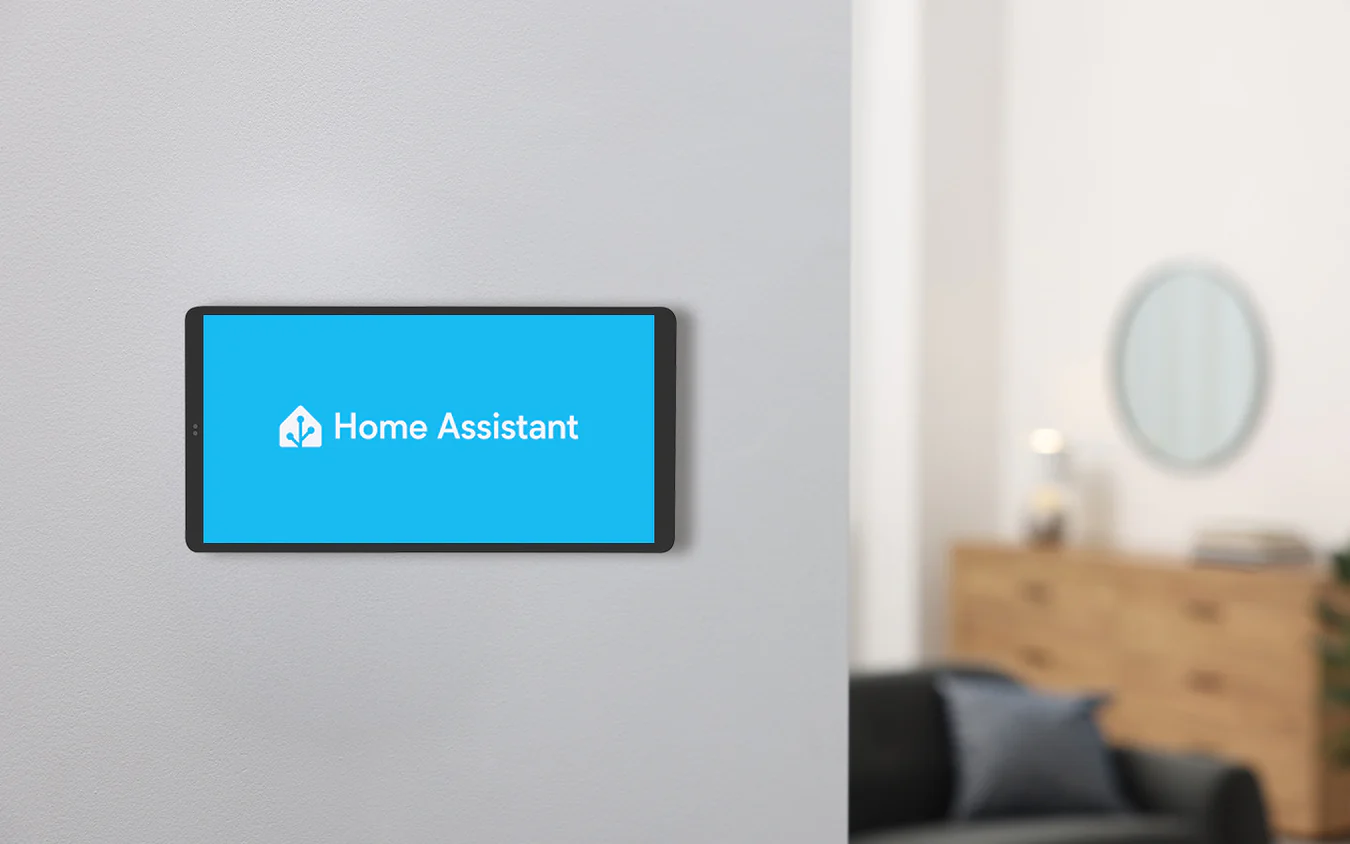
Shelly has announced a new wall-mounted smart display and control panel, aimed at becoming a central, always-on interface for smart homes. Unlike generic wall tablets, this one is clearly designed to live inside the smart home ecosystem from day one, with a strong local-control and integration focus that will appeal to Home Assistant users.
The idea is simple: replace (or sit next to) a traditional light switch with a compact touchscreen that can control lights, scenes, climate, power, and automations across your home. Shelly is positioning it as a purpose-built smart home controller, not just an Android tablet stuck to the wall.
What Shelly actually launched
The new Shelly Wall Display X2i is a permanently powered, wall-mounted touchscreen designed for daily interaction rather than occasional app use. It’s intended to give you fast access to the things you actually tap every day, lighting, scenes, temperatures, and device status.
Key points Shelly is highlighting:
- Wall-mounted form factor designed to replace or complement existing switches
- Always-on display for real-time status and quick actions
- Built around Shelly’s local-first approach, not cloud-only control
- Designed to integrate with wider smart home systems, not just Shelly devices
This is Shelly leaning into the idea that smart homes need physical interfaces, not just phone apps.
Why this matters for Home Assistant users
For Home Assistant users, wall displays are often a compromise. Tablets are flexible but messy, power hungry, and overkill. Dedicated smart panels are cleaner, but often locked into one ecosystem.
Shelly sits in an interesting middle ground. Their devices are already popular in Home Assistant setups because they:
- Work locally on the LAN
- Don’t require cloud access to function
- Expose simple, reliable APIs
- Integrate cleanly into Home Assistant without hacks
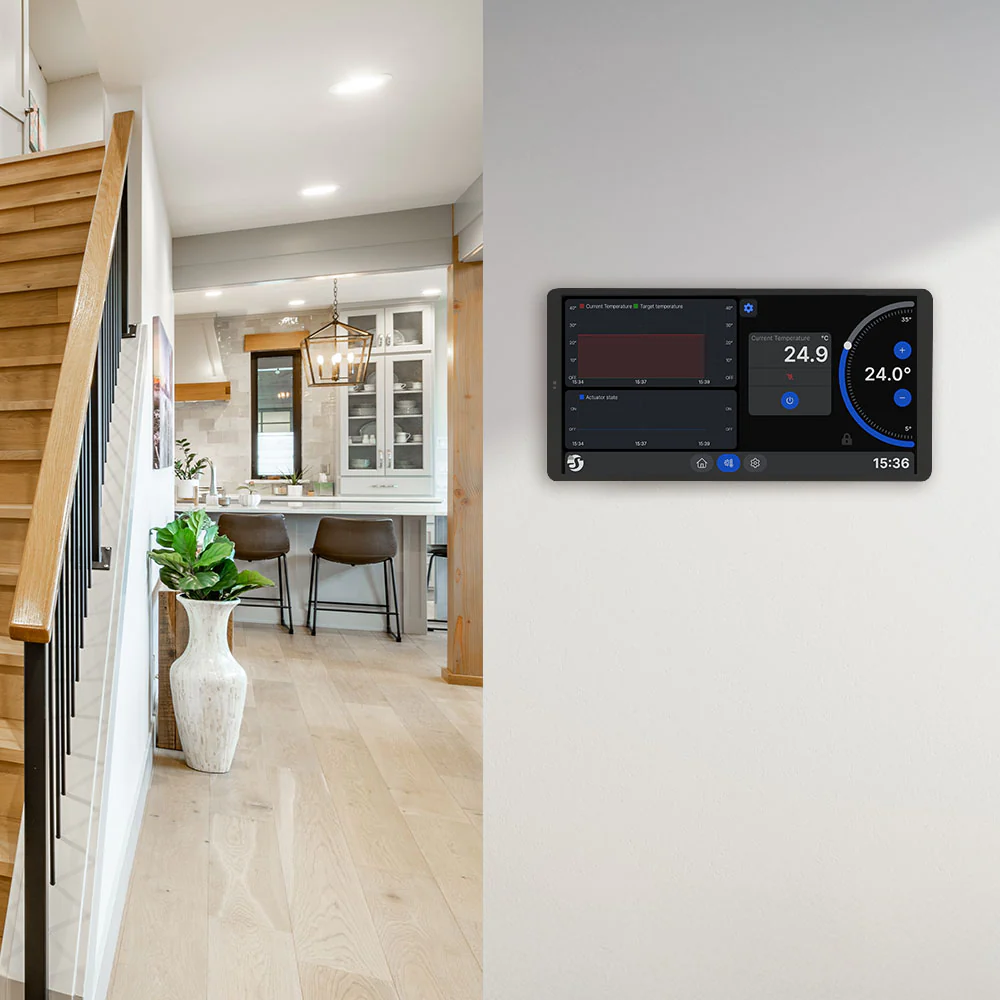
That same philosophy carries over here. While Shelly markets the display as part of its own ecosystem, it’s very clearly not designed as a closed system. If you’re already using Shelly relays, dimmers, or energy meters inside Home Assistant, this panel becomes a natural extension of that setup.
In practice, that means:
- One-tap control of HA scenes and automations
- Live feedback for lights, sensors, and power usage
- A fixed control point that guests can use without needing your phone
Hardware-first design, not a tablet workaround
One of the biggest advantages of a dedicated wall panel is reliability. No battery. No sleep states. No OS updates breaking kiosk mode.
Shelly’s wall display is designed to be:
- Permanently powered
- Always reachable on the network
- Purpose-built for control, not media consumption
That matters if you’ve ever had a wall tablet freeze, drop Wi-Fi, or stop responding until you reboot it. This is not trying to be an iPad replacement. It’s trying to be a switch replacement that happens to be smart.
Where this fits in a real smart home
This kind of panel makes the most sense in high-traffic areas:
- Entryways
- Kitchens
- Hallways
- Near garage or laundry access
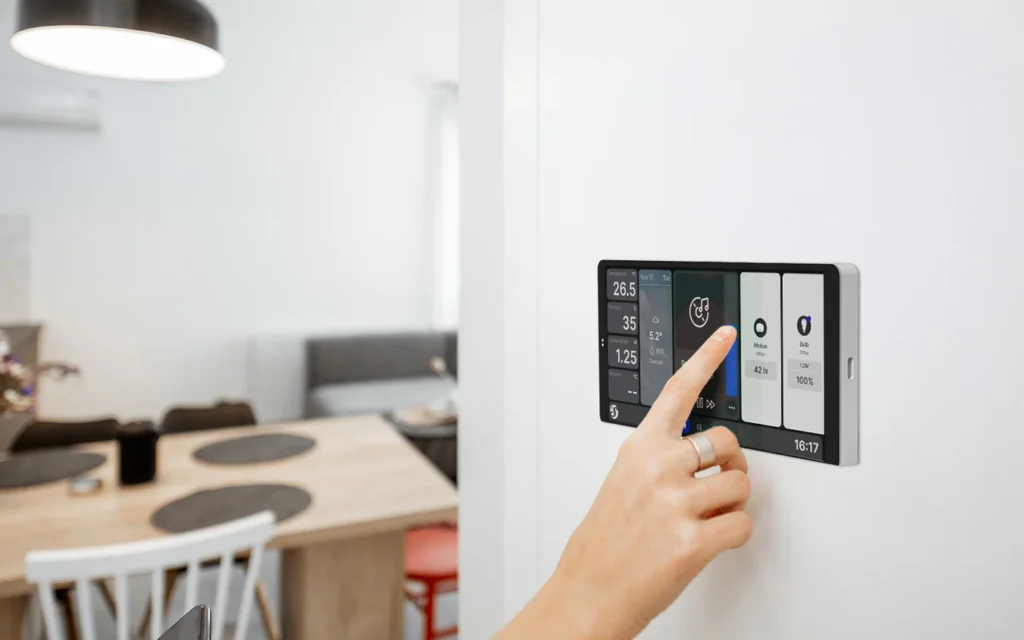
Instead of pulling out your phone to check if lights are on, if a door is open, or what the house temperature is, you get that information at a glance. It also becomes a shared interface, something everyone in the house can use, not just the person who set everything up.
For Home Assistant users who already run wall dashboards, this offers a cleaner, more permanent alternative to DIY tablet mounts.
Local control still matters
What’s interesting about this launch is timing. Between Matter, Zigbee updates, and more cloud-heavy devices entering the market, Shelly is still pushing a local-first narrative.
That resonates strongly with the Home Assistant crowd:
- Faster response times
- Works when the internet is down
- No forced accounts or subscriptions
- Easier long-term maintenance
A wall display that depends on cloud round-trips quickly becomes frustrating. A local one stays useful for years.
Early thoughts
This feels like a natural next step for Shelly. They already dominate the “hide smart behind dumb hardware” space with relays and modules. A wall display gives them a visible, user-facing anchor point in the home.
If Shelly continues to keep the platform open and HA-friendly, this could end up being one of the cleaner wall-control options available, especially for people who don’t want to manage tablets or locked-down vendor panels.
Pricing, mounting standards, and long-term software support will ultimately decide how popular it becomes, but conceptually, it fits very well into the kind of smart homes many Home Assistant users are already building.